
How to Find Conversation Starters That Match Someone’s Interests
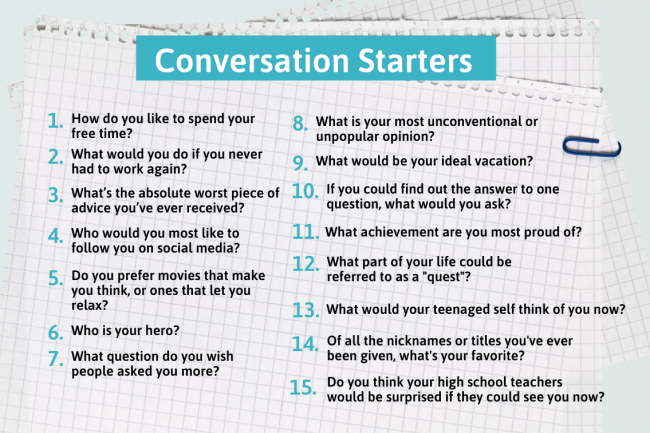
Starting a conversation becomes much easier when you already understand what the other person cares about. Instead of guessing random topics, you can align your opening words with their interests and experiences. This creates a smoother connection from the very beginning.
In today’s digital world, most people leave small clues about their preferences online. The challenge is not finding information, but interpreting it in a useful way. That is why learning how to find conversation starters is really about understanding context before speaking.
Why Matching Interests Makes Conversations Easier
When a conversation starts around something familiar or enjoyable to the other person, the response is usually more natural. People tend to open up faster when they feel understood.
Interest-based conversation starters help because they:
- Create instant relevance
- Reduce awkward small talk
- Encourage longer replies
- Build emotional comfort faster
Instead of forcing dialogue, you are simply connecting dots that already exist.
Most people struggling with how to find conversation starters are not bad at communication. They just don’t have enough direction about what matters to the other person.
The Challenge: Interests Are Hidden in Small Signals
People rarely state their interests directly. Instead, they express them through small and scattered signals such as posts, likes, photos, comments, or casual updates.
This creates a problem: you may see many details, but it is difficult to know which ones actually matter.
Common difficulties include:
- Not knowing which interests are real vs casual
- Overlooking repeated patterns
- Getting overwhelmed by too much scattered data
- Struggling to turn observations into questions
This is where how to find conversation starters becomes less about creativity and more about interpretation.
The Problem: Scattered Clues About Personal Interests
Before meeting or talking to someone, you often only have fragmented information. A profile might show travel photos, music posts, or hobby-related hints, but nothing clearly organized.
Individually, these clues feel random. Together, they often reveal consistent themes that are easy to miss without structure.
This is one of the biggest challenges in how to find conversation starters, because interest signals are rarely presented in a clean, obvious way.
How Socialprofiler AI Chatbot Helps Identify Interest Patterns
The Socialprofiler AI Chatbot helps organize scattered public information into clearer patterns. Instead of looking at isolated details, it connects related signals and highlights repeated themes.
This makes it easier to understand what someone genuinely engages with over time.
It helps by:
- Grouping repeated interests from different signals
- Highlighting lifestyle patterns across posts
- Identifying consistent themes in activity
- Turning scattered data into structured insights
With this clarity, how to find conversation starters becomes more about using real patterns rather than guessing randomly.
Turning Interest Patterns Into Natural Questions
Once interests are clearer, the next step is turning them into simple, human questions. This is where many people struggle, because they either overthink or default to generic phrases.
The Socialprofiler AI Chatbot supports this step by helping users translate patterns into conversation-friendly ideas.
For example:
- Travel interest → “What kind of place do you enjoy visiting the most?”
- Food interest → “Do you enjoy trying new cuisines or sticking to favorites?”
- Fitness interest → “What motivates you to stay consistent with it?”
- Music interest → “What type of music do you usually listen to when relaxing?”
This makes how to find conversation starters more practical because the questions come directly from real interest signals.
Using Socialprofiler AI Chatbot to Avoid Misreading Interests
Not every signal reflects a deep interest. Sometimes people post things casually or temporarily. Without context, it is easy to misinterpret what matters.
The Socialprofiler AI Chatbot helps reduce this confusion by showing which interests appear repeatedly and which ones are occasional.
It supports better understanding by helping users:
- Focus on consistent patterns instead of one-time posts
- Separate strong interests from casual activity
- Avoid overinterpreting single signals
- Build context before forming assumptions
This makes interest-based communication more grounded and improves how to find conversation starters in real situations.
Why Context Matters Before Starting a Conversation
A single detail rarely tells the full story about a person. Even if something looks important, it may not represent their real priorities.
Before choosing what to say, it helps to remember:
- Interests evolve over time
- Online activity is partial context
- One post does not define a person
- Patterns matter more than isolated signals
When you focus on context instead of assumptions, your conversation starters become more accurate and respectful.
Responsible Use of AI in Understanding Interests
Even with helpful tools, the goal is not to analyze people too deeply or make fixed judgments. It is simply to prepare better and communicate more naturally.
A balanced approach includes:
- Using insights to guide curiosity, not conclusions
- Staying open during real conversation
- Avoiding assumptions based on limited data
- Letting interaction develop naturally
Used responsibly, how to find conversation starters becomes a skill that improves connection rather than replaces human judgment.
Final Thoughts
Finding conversation starters that match someone’s interests is not about being overly clever. It is about noticing patterns, understanding context, and turning that understanding into simple, natural questions.
When you learn to focus on repeated signals instead of scattered details, conversations become easier and more meaningful. Tools like the Socialprofiler AI Chatbot can help organize those signals into clearer direction, making preparation more confident and structured.
Still, the most important part remains human curiosity. Real connection happens when you listen, adapt, and let the conversation grow naturally beyond the first question.