The 2026 Budget: Five Lines Residents Should Read

Budget documents are designed to be comprehensive, which is another way of saying they are designed to be unreadable. The headline figure tells you almost nothing about what will change on your street. These five lines do. They cover the services residents notice most, and they reveal where the difficult trade-offs have been pushed.
Key facts
- Transport spending rises slightly, mostly for maintenance rather than new routes.
- Housing gets a capital boost, but the revenue for support services is flat.
- Social care absorbs the largest share of the increase.
- Waste collection moves to a new contract with an uncertain savings estimate.
- Reserves are drawn down again, reducing the cushion for next year.
1. Transport: maintenance over ambition
The transport line increases, but almost all of the increase goes to maintaining what already exists: road repairs, bridge inspections and bus subsidies. New routes are mentioned, but the funding for them sits in a later year. That is a defensible choice after years of deferred maintenance, though it means residents should expect more roadworks and fewer ribbon-cuttings.
2. Housing: capital without support
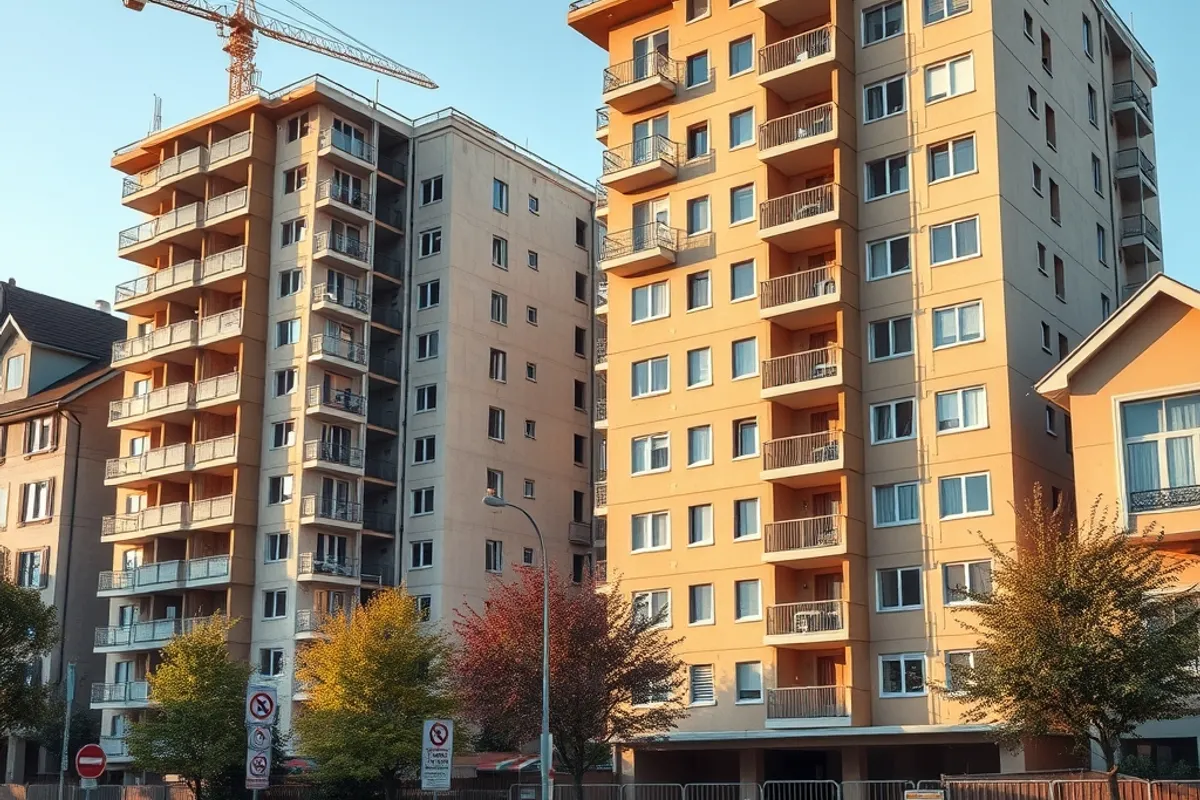
Money for building and refurbishing homes is the most visible part of the budget. Less visible is the flat funding for the services that make housing work: tenancy support, advice and temporary accommodation. Building more homes without funding the support around them often shifts costs to health and social services later.

3. Social care: the unavoidable pressure
Social care takes the largest share of the increase, and it is the line least likely to be cut. Demand is rising with an ageing population, and providers face staffing costs that cannot be avoided. The budget funds the statutory minimum, which is not the same as funding a good service. Expect eligibility thresholds to remain tight.
A budget is a list of priorities wearing the costume of arithmetic. Read the lines, not the total.
4. Waste: the savings that may not arrive
The new waste contract promises savings, but the estimate depends on assumptions about staffing, fleet reliability and recycling rates. If any of those assumptions fail, the savings shrink or disappear. Residents will notice the change through collection schedules and bin rules before they notice any financial benefit. Ask for the performance clauses, because they determine whether the savings are real.
5. Reserves: the cushion gets thinner
Reserves are being used to balance the budget again. That is not automatically reckless, but it is a signal. A reserve is the money that pays for an unexpected flood, a legal settlement or a sudden rise in energy costs. Using it to fund recurring spending means next year's budget starts with a smaller cushion and the same obligations.
What residents can do
Attend the scrutiny meeting where these lines are discussed, and ask specifically about the waste contract assumptions and the reserve balance. Those are the two places where this budget is most vulnerable to reality. For the background, read our transparency rules explainer and browse Current Events. Local government finance data is published by the finance statistics collection.
The short version: maintenance over new projects, housing without support, social care pressure, uncertain waste savings, and a thinner reserve. Those five lines decide what your street experiences next year.
Frequently asked questions
Which budget line should residents watch most?
The waste contract and the reserve balance. Both depend on assumptions that can fail, and both affect services residents notice directly.
Does more housing spending mean more affordable homes?
Not automatically. Capital for building is only part of the picture; funding for tenancy support and advice determines whether homes remain stable.
Why are reserves a warning sign?
Using reserves to fund recurring spending leaves a smaller cushion for floods, legal settlements or sudden cost rises in the following year.
Further reading from independent sources: Reuters and Associated Press.