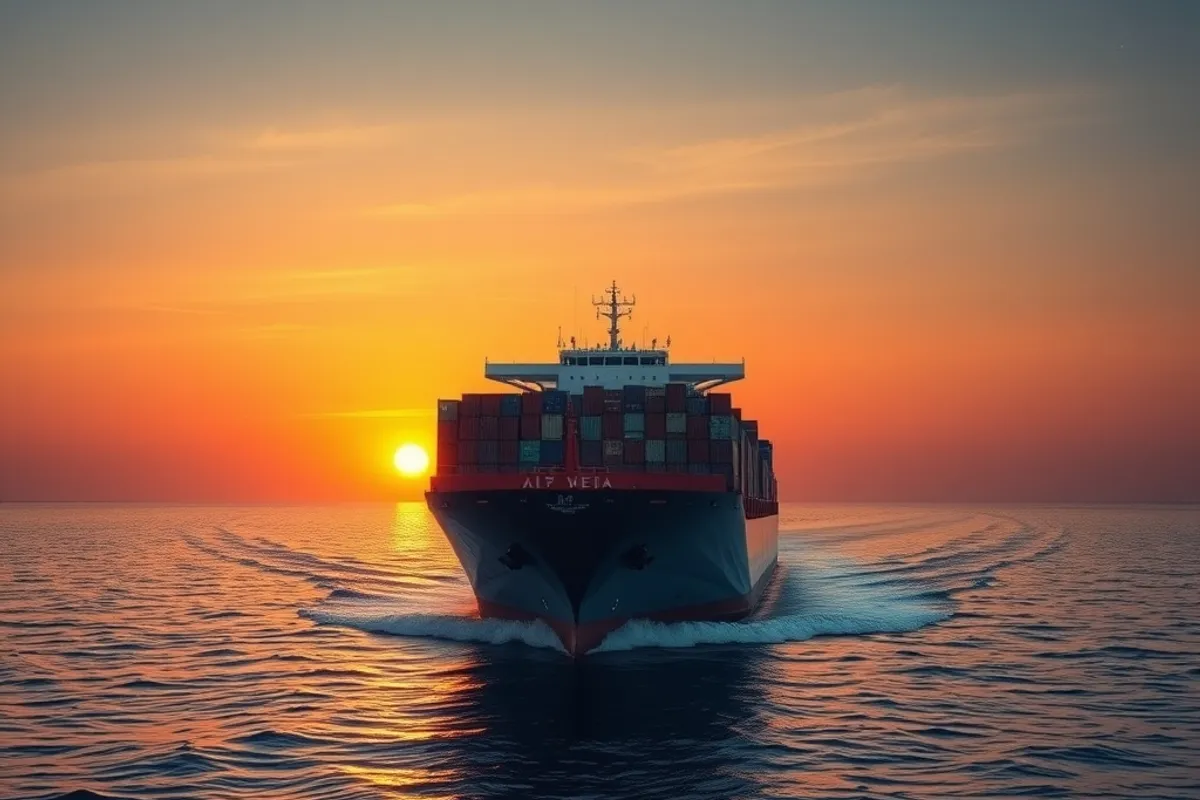
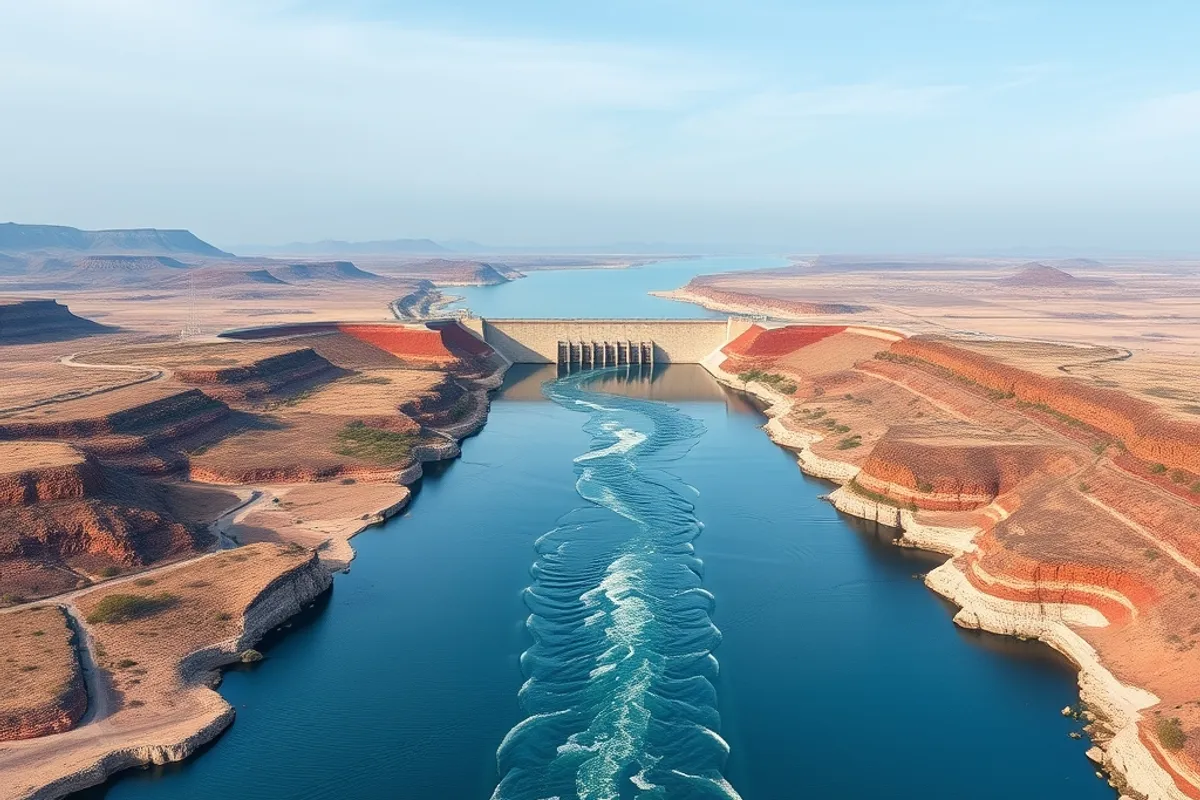
World Affairs: Reporting and Analysis for 2026
World Affairs covers the international stories that arrive in ordinary life through prices, jobs and public services. Trade routes, resource disputes and quiet negotiations rarely make the front page until something breaks, yet they shape the cost of food, fuel and medicine long before that.
Our approach is to follow the chain rather than the slogan. A shipping detour becomes an insurance decision, then a port queue, then a shelf price. A river dispute becomes a reservoir schedule, then a harvest, then a regional argument. Explaining those links is the point.
The two pieces below look at how detours are redrawing trade maps and how shared water is testing diplomacy. Read them together if you want the resource-and-trade picture rather than isolated headlines.
How we report world affairs
Every story starts with a document, a dataset or a named source. We read the budget, request the record and call the people affected before writing. Numbers are dated, disputed claims are labelled, and anything we could not verify is left out rather than softened.
We publish fewer stories than a breaking-news desk because checking takes time. When we get something wrong, the correction is public and dated. Read our editorial standards, browse the latest reporting, and check primary sources before you act. The two stories below are the ones readers ask about most often in this desk.
Further reading from independent sources: Reuters and Associated Press.