How Shipping Detours Are Rewriting the Trade Map
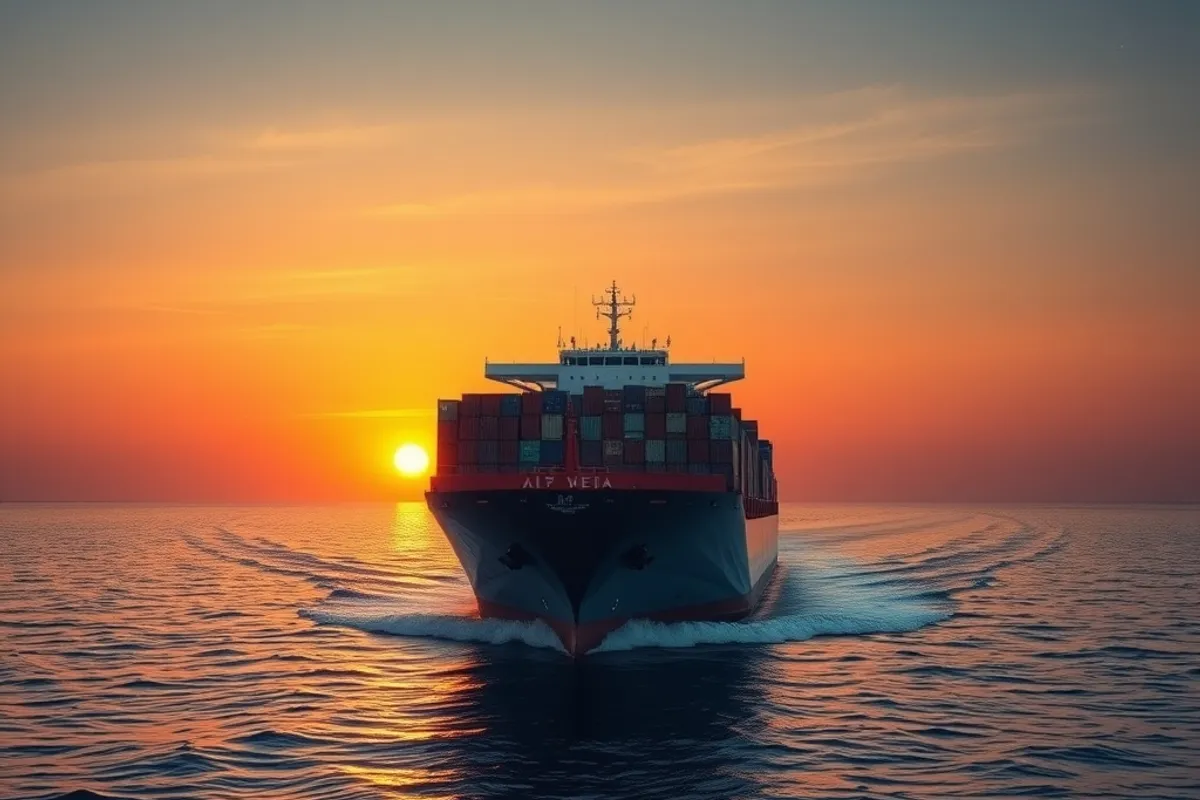
For decades the shortest route between Asia and Europe ran through a narrow stretch of water that most consumers never think about. When ships avoid it, the consequences do not stay at sea. They appear as longer voyages, higher insurance, crowded alternative ports and, eventually, slightly higher prices on shelves thousands of kilometres away. The current detours are not a single event but a slow redrawing of familiar routes.
Key facts
- Avoiding the Red Sea adds roughly ten to fourteen days on many Asia-Europe voyages.
- Insurance premiums for the corridor remain elevated, pushing some operators to reroute.
- Alternative ports are absorbing traffic they were not built to handle.
- Longer voyages raise fuel use and tighten vessel availability elsewhere.
- Consumers feel the effect through imported goods months later.
Why a detour is never just a detour
A ship that takes the longer route around the continent does not simply arrive late. It burns more fuel, misses its scheduled slot, and delays the next cargo waiting for the same vessel. Shipping is a tightly choreographed system, and a two-week delay ripples through port labour, trucking and warehouse space. Operators compensate by building slack into schedules, which reduces effective capacity for everyone.
The cost lands first on importers, then on insurers, then on consumers. The lag is the reason headlines about shipping can feel disconnected from prices at the till. By the time a household notices, the disruption has usually been running for a quarter or more.
Ports on the alternative route are stretched
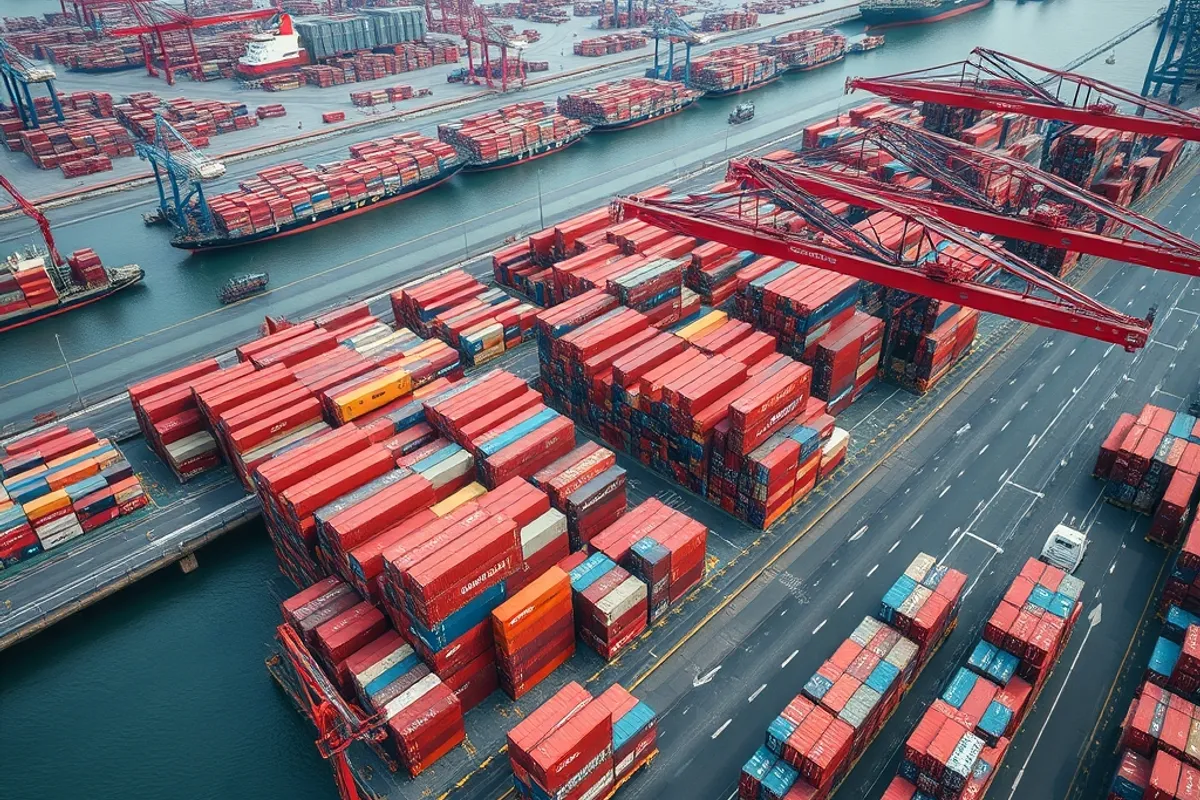
Ports that sit on the longer route have seen volumes climb faster than their cranes, roads and rail links can absorb. Congestion at one port pushes ships to the next, and the queue moves rather than disappears. Smaller ports benefit from the traffic but struggle with the peaks, while large hubs face pressure from vessels arriving in clusters instead of on schedule.
The insurance question
War-risk premiums are the quiet lever in this story. When insurers price a corridor as dangerous, some operators decide the detour is cheaper even before fuel is counted. That calculation changes with every security assessment, which is why route patterns can shift without any single announcement. Traders watch insurance quotes as closely as they watch naval deployments.
Trade routes are not drawn by geography alone. They are drawn by risk, and risk is priced by people who hate surprises.
Who pays, and who adapts
Large importers can absorb longer lead times by holding more stock. Smaller firms cannot, and they often pay a premium for last-minute space on vessels. Countries that depend on imported food and fuel feel the pressure most, because their budgets have less room to absorb freight volatility. Meanwhile, exporters of perishable goods face spoilage risk that makes the longer route commercially difficult.
The strategic response
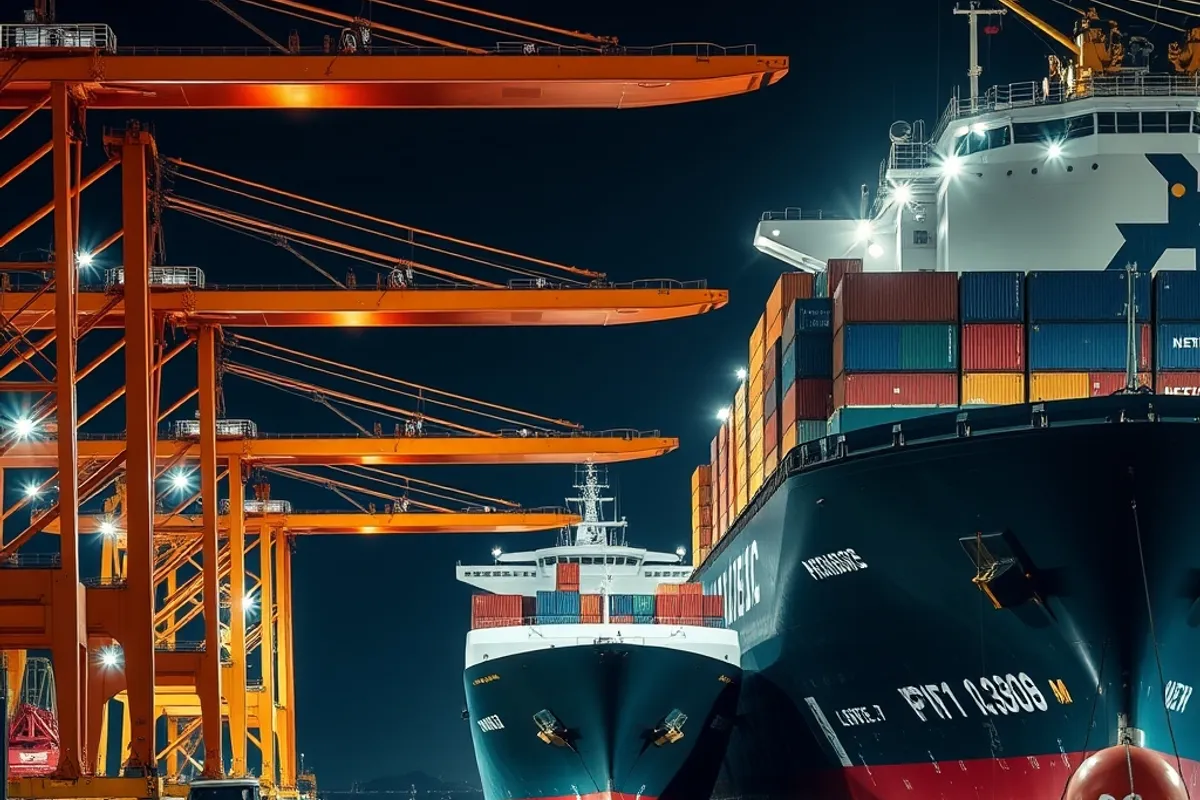
Governments are responding on three fronts: naval escorts where feasible, diplomatic pressure to reduce the threat, and investment in alternative corridors that reduce dependence on any single chokepoint. None of these is fast. Port capacity takes years to build, and political agreements take longer. In the meantime, companies are diversifying suppliers and accepting that just-in-time logistics has limits in a riskier world.
What to watch
Watch insurance rates before you watch shipping schedules; they move first. Watch congestion figures at the alternative ports, which reveal whether the system is coping or merely shifting the queue. And watch the price of imported staples, which is where the whole chain becomes visible to ordinary households. For the household view, read our monthly cost check, and see more World Affairs. Freight and trade data is published by UNCTAD.
The short version: longer routes cost more, insurance decides which routes ships take, and the bill arrives at the shop later than the headline.
Frequently asked questions
How much longer does the detour take?
Many Asia-Europe voyages add roughly ten to fourteen days, depending on the route and the vessel. The delay also disrupts the next cargo waiting for the same ship.
Why do some ships still use the shorter route?
It depends on insurance, security assessments and the value of the cargo. When premiums are high enough, the longer route becomes cheaper despite the fuel cost.
How soon do consumers feel the effect?
Usually a quarter or more later, through imported food, parts and medicine. By the time households notice, the disruption has often been running for months.
Further reading from independent sources: Reuters and Associated Press.