River Diplomacy: The Quiet Negotiations Over Shared Water
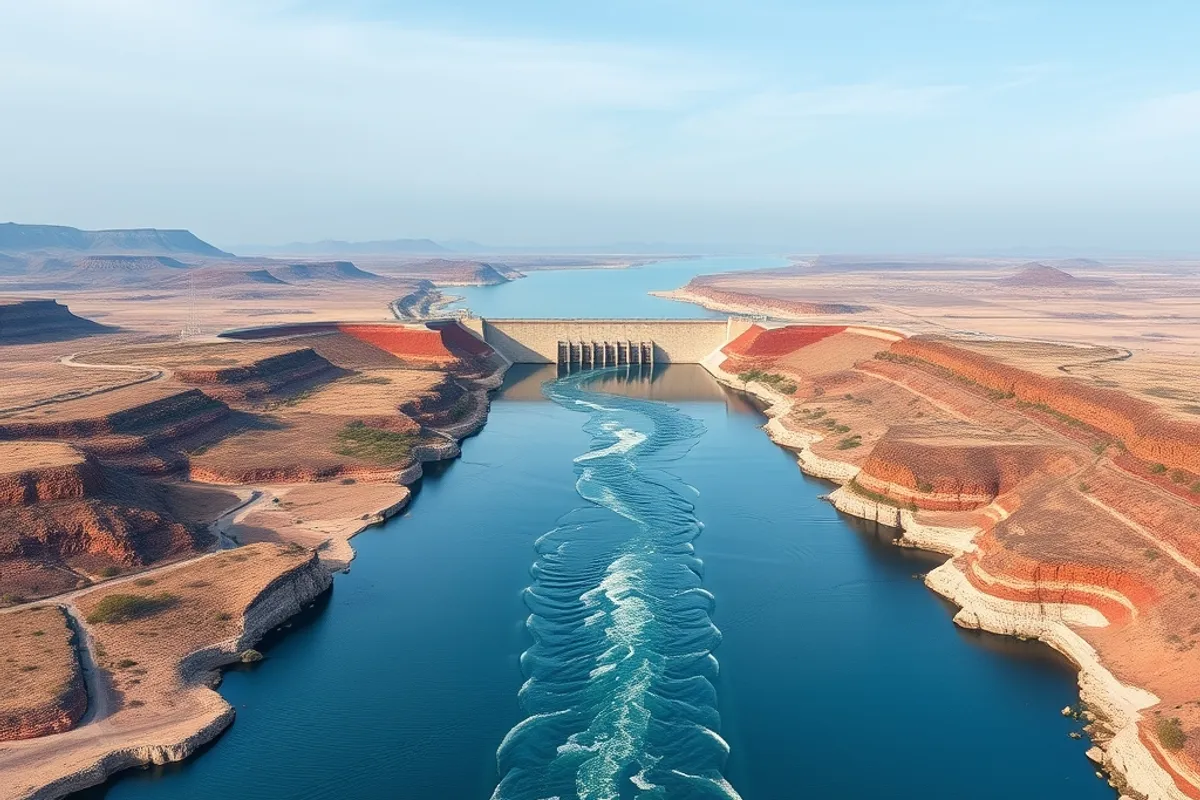
Water rarely makes the front page until it runs out. Yet the quiet negotiations over shared rivers are among the most consequential diplomacy of the decade. Upstream dams change when water arrives downstream, drought makes every allocation contentious, and the data that would allow fair sharing is often the first thing to disappear when relations sour.
Key facts
- More than half the world's freshwater crosses a national border.
- Upstream storage can shift seasonal flows even when annual totals stay similar.
- Drought turns technical disputes into political ones quickly.
- Shared data is the foundation of every workable agreement.
- Treaties built in wet years often fail to cover dry ones.
The problem with annual averages
Negotiations often begin with annual totals: how much water flows through the basin each year, and how it should be divided. That framing is convenient but misleading. Farmers downstream care about timing as much as volume. A river that carries the same yearly total but arrives in a single flood, rather than across a growing season, can be both destructive and useless.
Upstream storage makes this worse. A dam that holds water back for hydropower or irrigation can reduce downstream flow exactly when it is needed most, while releasing it later. The annual number can look unchanged while the practical reality for a farmer changes completely.
Drought is the stress test
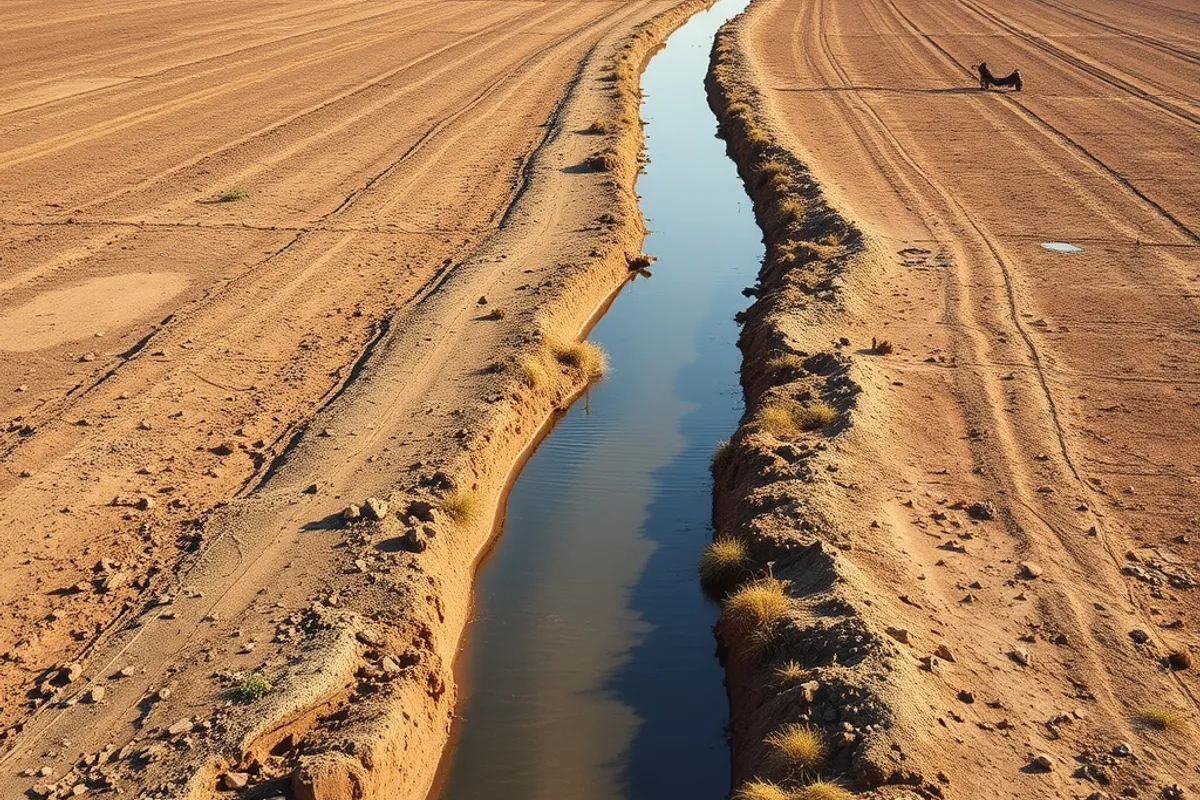
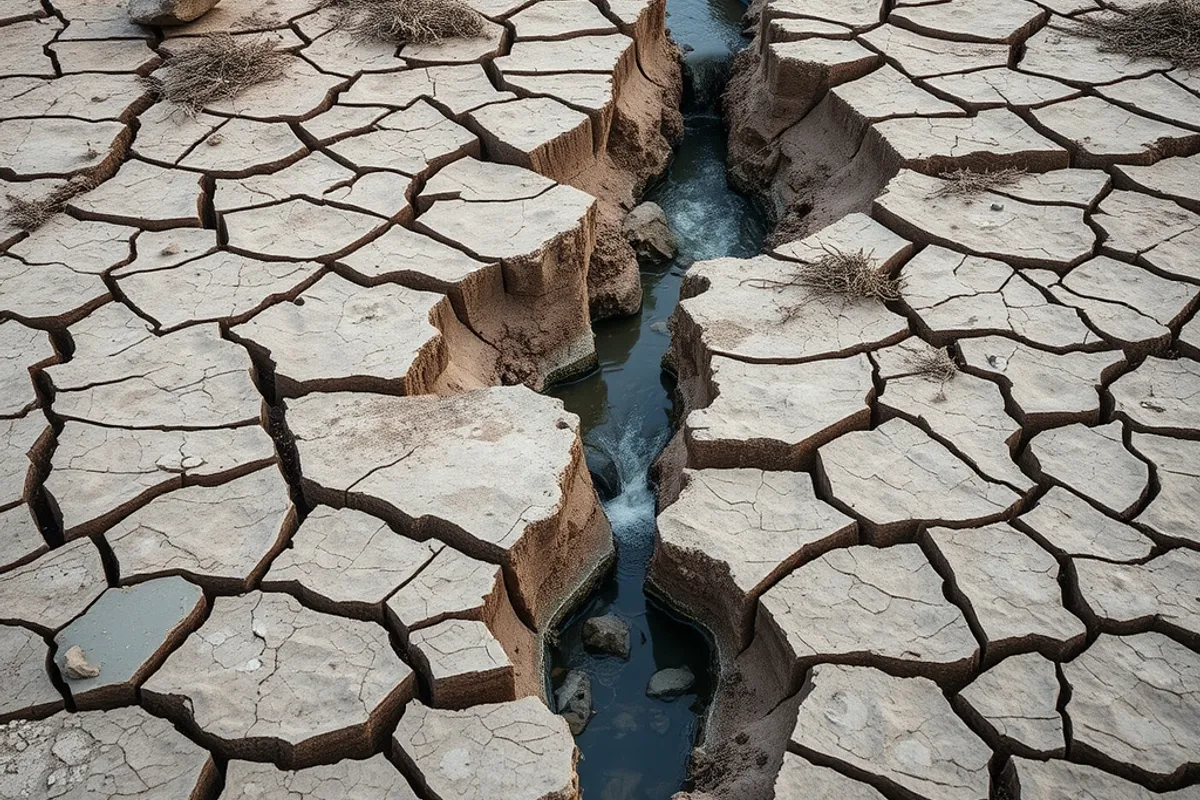
Every water agreement is written in a wet year and tested in a dry one. During drought, governments face pressure to prioritise their own farmers and cities, and the technical language of allocation becomes a national argument. Agreements that include clear drought rules, rather than vague principles, tend to survive. Those that rely on goodwill tend not to.

Why data-sharing breaks first
Hydrological data is strategic. A country that publishes real-time river flows gives its neighbours information they can use in negotiations and in public. So when relations cool, monitoring stations go quiet. The tragedy is that without shared data, everyone ends up guessing, and guessing leads to worse decisions for all sides, including the upstream country that thinks it is protecting an advantage.
Water negotiations are not about generosity. They are about making the shared system predictable enough for everyone to plan.
What quiet diplomacy looks like
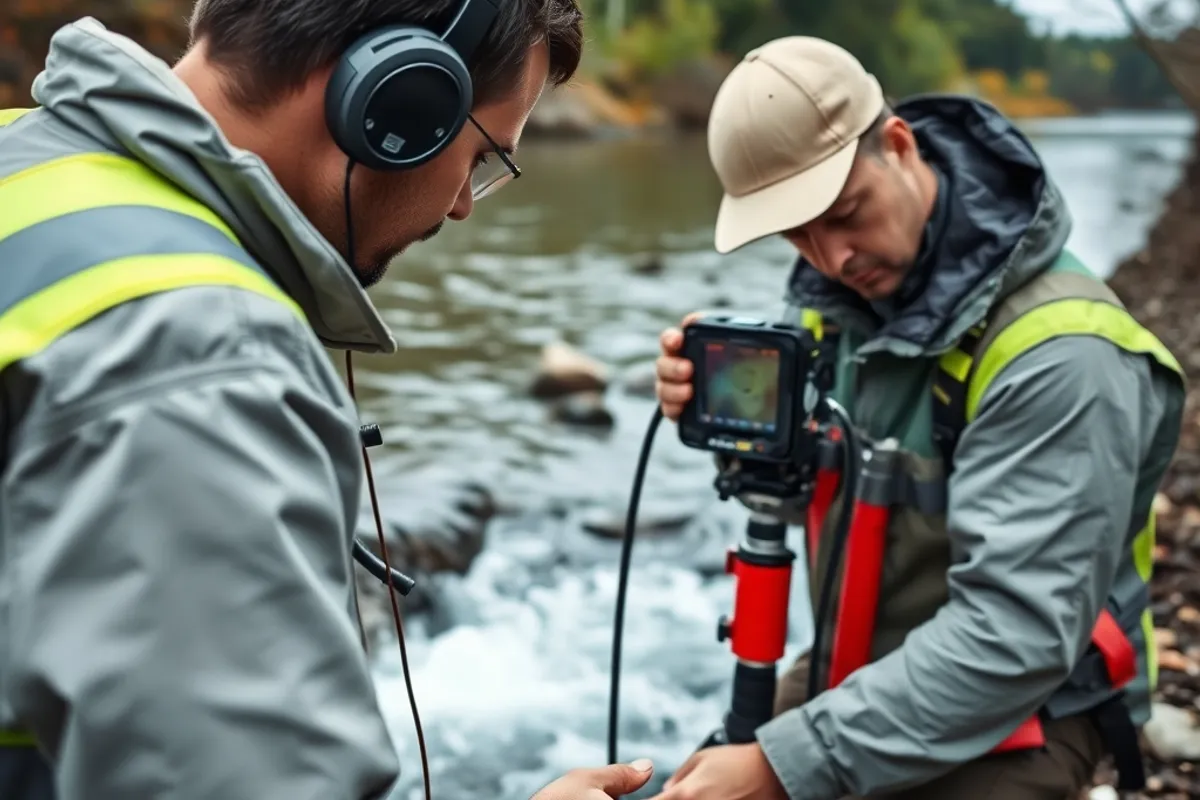
Effective river diplomacy is rarely dramatic. It looks like joint monitoring teams, shared forecasting, and schedules that are renegotiated before the reservoir runs low rather than after. It also involves bringing farmers and cities into the conversation, because a treaty between governments fails if the people who use the water do not trust it.
The role of outside mediators
Neutral institutions can help by funding monitoring equipment, publishing verified data and providing a forum where officials can talk without the pressure of a public summit. Their weakness is that they cannot enforce anything. Their strength is that they make cooperation cheaper than conflict, which is often enough to keep talks alive through a bad season.
What to watch
Watch reservoir levels and the timing of releases, not just rainfall totals. Watch whether joint monitoring survives a political dispute, because that tells you whether the relationship is functional. And watch how drought rules are applied, since that is where a treaty either holds or quietly collapses. For more on how resources shape politics, see our shipping analysis and the World Affairs desk. Basin data is published by UN-Water.
The short version: timing matters more than totals, drought reveals whether an agreement is real, and shared data is the cheapest form of cooperation available.
Frequently asked questions
Why is timing more important than annual rainfall?
Farmers and cities need water during specific seasons. A river can carry the same annual total but arrive as a flood, which is both destructive and useless for irrigation.
What makes a water agreement survive a drought?
Clear drought rules rather than vague principles. Agreements that specify what happens when water is scarce tend to hold; those that rely on goodwill tend to fail.
Why does data-sharing break down first?
Hydrological data is strategic. When relations cool, monitoring stations go quiet, and everyone ends up guessing, which produces worse decisions for all sides.
Further reading from independent sources: Reuters and Associated Press.