The Corner Garden Feeding a Whole Block
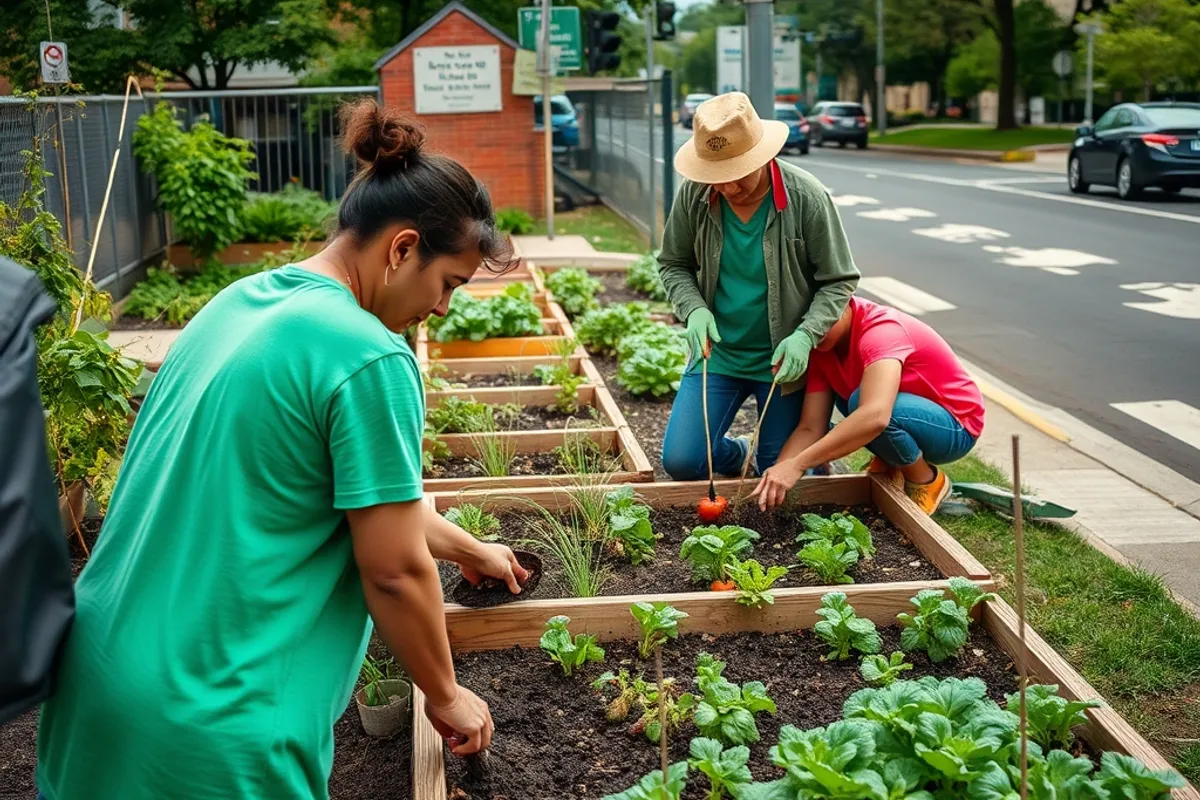
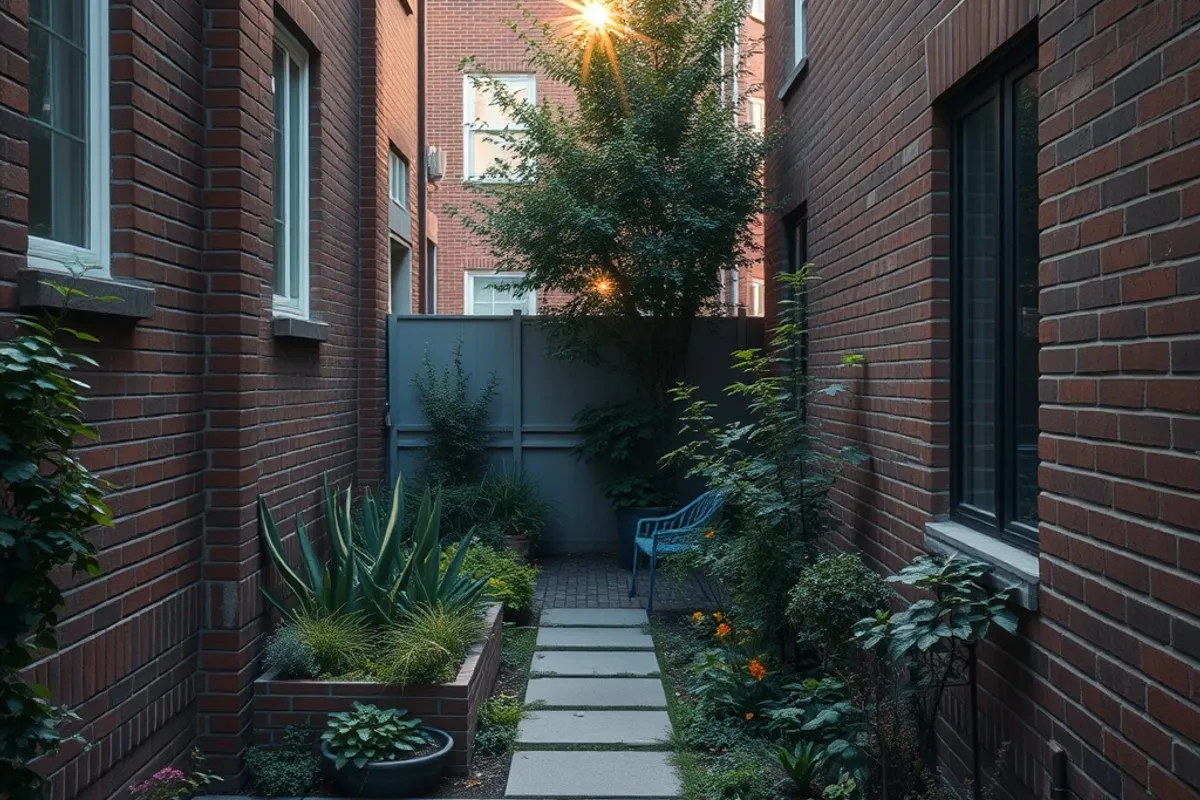
Three years ago the corner was a fenced lot with broken glass and a reputation. Today it has raised beds, a rainwater tank, a toolshed built from reclaimed timber and a waiting list of neighbours who want a plot. The garden does not solve food insecurity on its own, but it has changed what the block eats, who knows whom, and how safe the street feels after dark.
Key facts
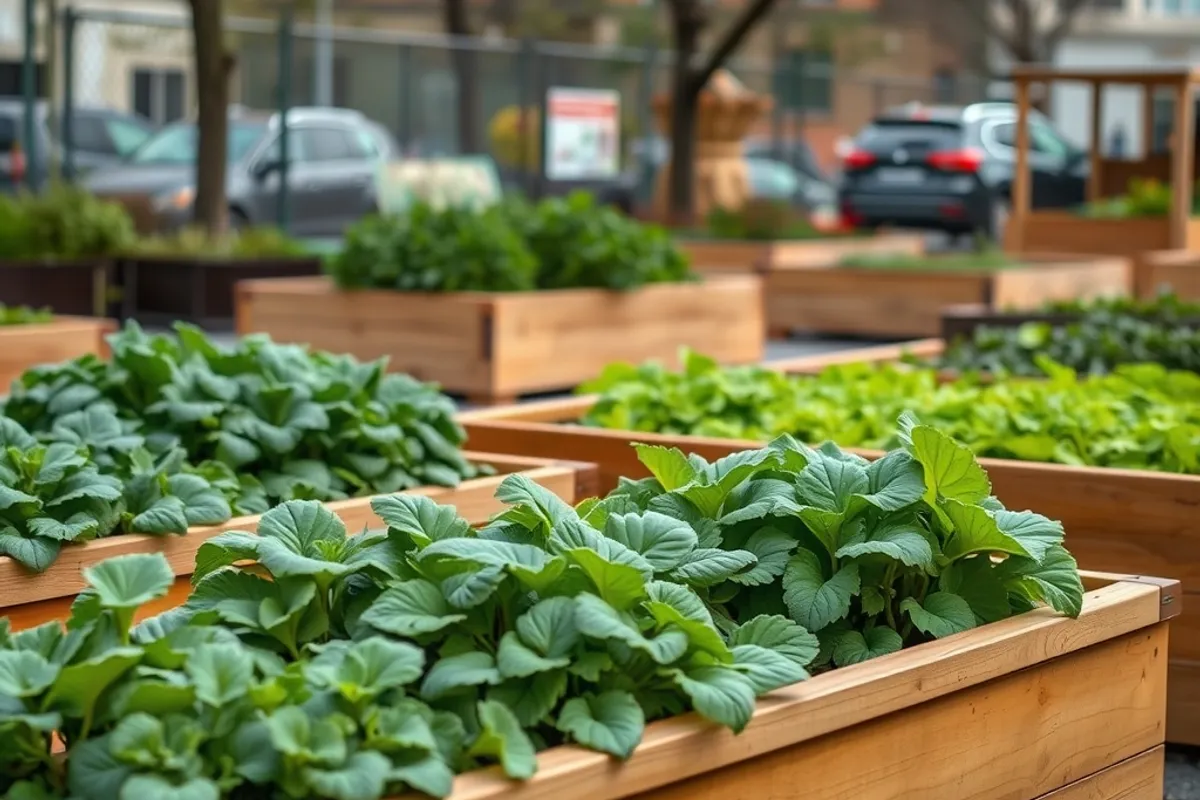
- Twelve raised beds are shared by more than forty households.
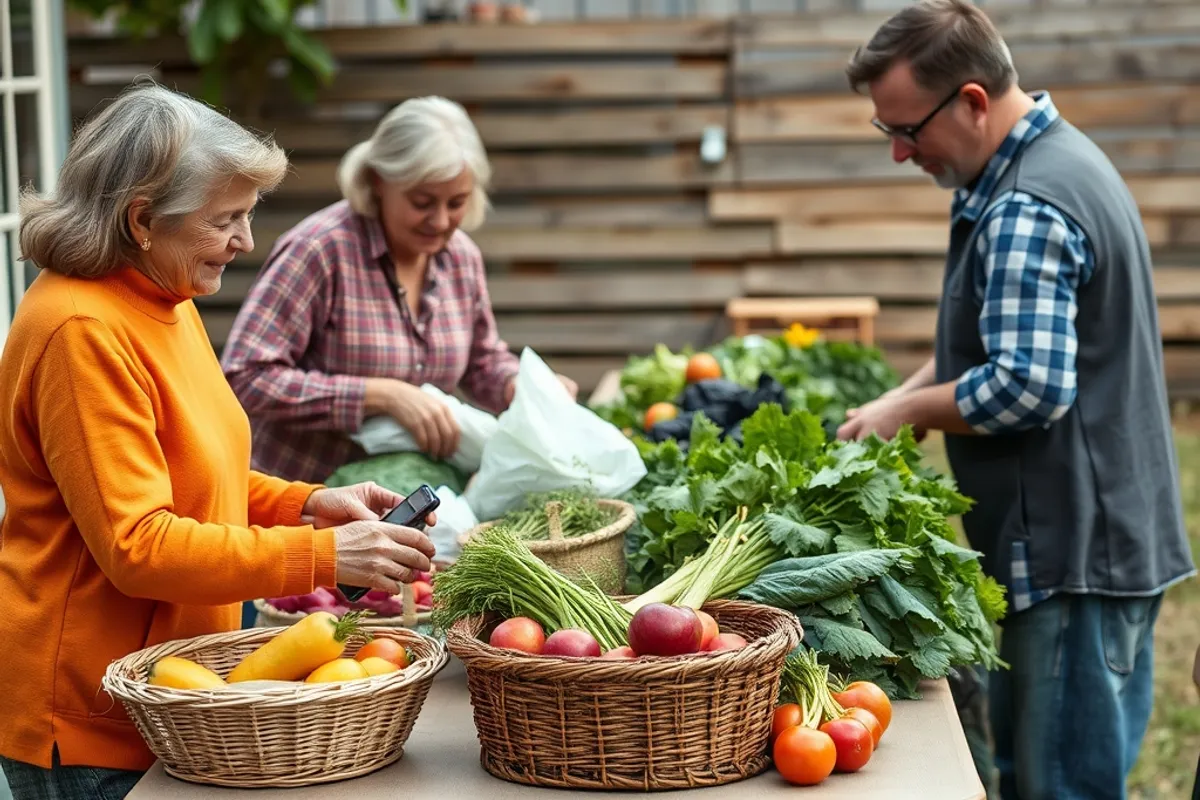
- Produce is split by agreement, with surplus going to a local pantry.
- Volunteers cover watering and maintenance on a rotating schedule.
- Funding comes from small grants and a monthly seed kit sale.
- Water access and winter upkeep remain the biggest challenges.
How it started
The garden began with a complaint about rubbish and a question about who owned the lot. A neighbour traced the owner through the council, found a retired landlord willing to lease the space for a nominal fee, and organised a first clean-up that drew more people than expected. The initial plan was flowers. The neighbours voted for vegetables.
That decision shaped everything that followed. Vegetables require daily attention, which forced a schedule. A schedule created friendships. Friendships made it easier to ask for help when the pump broke or when a plot holder moved away.
The rules that make it work
Every plot holder signs a simple agreement: water when scheduled, attend two work days a year, and leave the bed in good condition if they step away. The rules are short because long rules get ignored. Conflict is handled by a rotating group of three volunteers rather than a single manager, which spreads the awkward conversations and prevents one person from becoming the garden's bottleneck.
What it actually produces
The harvest is seasonal and modest: greens, beans, tomatoes, herbs and root vegetables. In summer the surplus is real, and crates go to a nearby pantry. In winter the garden produces less food but more of something harder to measure: a reason to leave the house, a place for older residents to sit, and a safe, lit corner at night.
A garden is not a food system. It is a habit of showing up, and the food is what the habit grows.
The hard parts
Water is the recurring problem. The rainwater tank covers part of the summer, but dry weeks require mains water, which costs money. Winter upkeep is harder still: beds need covering, tools need storing, and volunteers are fewer when it is cold. The garden has also had to confront a less comfortable issue, which is that enthusiasm is not evenly distributed. A small group does most of the work, and burnout is a real risk.
What other blocks can copy
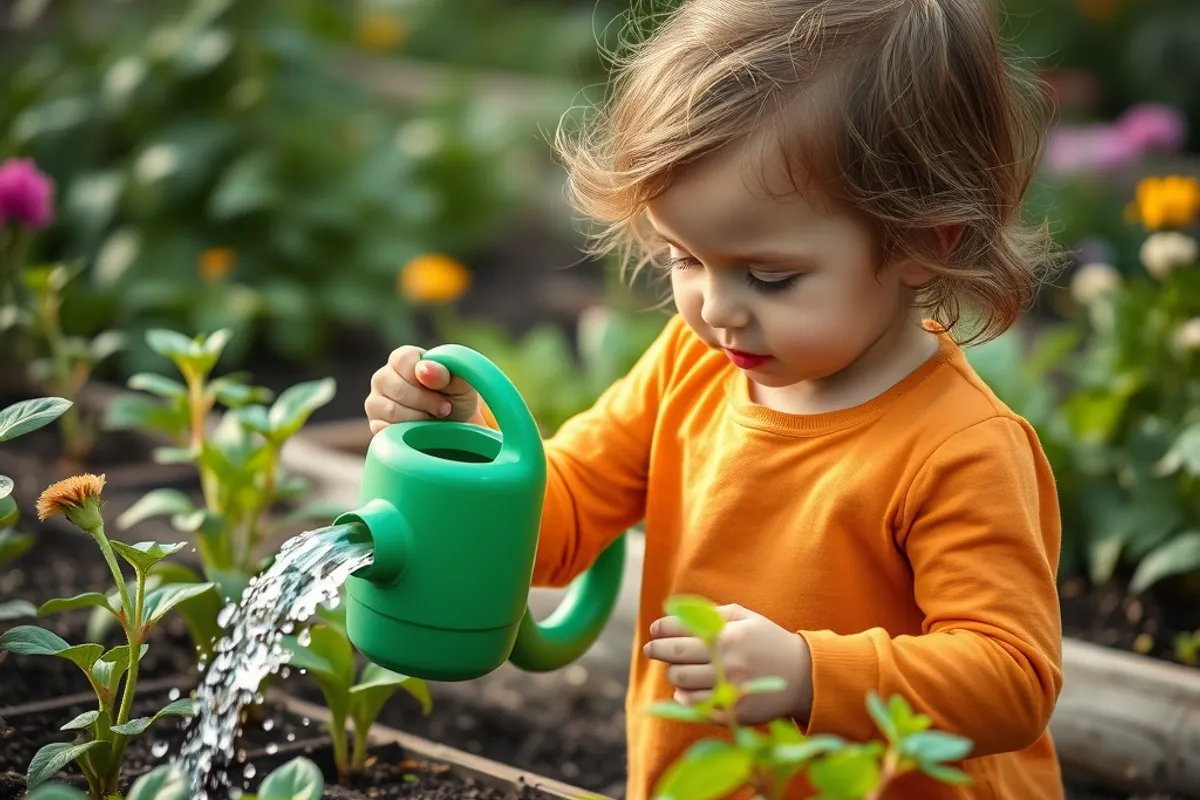
The lessons are practical. Secure the land agreement in writing before planting anything. Keep the rules short. Share the admin. And plan for winter from the first summer, because the garden that survives is the one that is still maintained in February. The group also recommends starting smaller than feels exciting; a garden that is fully used beats a larger one that is half neglected.
What happens next
The volunteers want to add a small fruit tree border and a covered bench for rainy days. Both are modest plans, deliberately so. The garden's strength is that it has grown at the speed of its volunteers, not the speed of a grant application. For more local reporting, read about the library volunteers and browse Community News. Guidance on starting a community garden is available from the RHS.
The short version: short rules, shared admin, written land agreements, and a winter plan. The rest is patience.
Frequently asked questions
How does a community garden handle conflict?
The block uses a rotating group of three volunteers rather than one manager. That spreads the awkward conversations and prevents a single person from becoming a bottleneck.
What is the biggest challenge after the first year?
Water and winter upkeep. Dry weeks require mains water, and volunteers are fewer when it is cold, so a winter plan matters from the first summer.
Is a community garden a solution to food insecurity?
Not on its own. It produces modest seasonal food and something harder to measure: a habit of showing up and a safer, more connected street.
Further reading from independent sources: Reuters and Associated Press.