The Cost-of-Living Mood Gap: Numbers vs. Feelings

By the numbers, the worst of the price surge is over. Inflation has eased from its peak, wages in some sectors have caught up, and the headlines have moved on. Yet conversations at kitchen tables still sound like a crisis. This is the mood gap: the distance between aggregate statistics and the lived experience of a household budget. It is not confusion. It is a different kind of measurement.
Key facts
- Slower inflation means prices rise more slowly, not that they fall.
- Accumulated price levels matter more than the monthly rate.
- Housing, energy and childcare dominate household anxiety.
- Wage growth is uneven across sectors and regions.
- Savings buffers built during the peak are now being spent.
Prices did not go back down
The most common misunderstanding about inflation is that easing means cheaper. It does not. A slower rate of increase still leaves prices at the higher level, and households compare today's prices with what they remember paying two or three years ago. That memory is the reference point, not the monthly statistic. By that measure, the squeeze is entirely real.
This is why official communications that celebrate falling inflation often land badly. They answer a question households did not ask. The question is not whether prices are rising more slowly; it is whether the weekly shop has become affordable again.
The fixed costs that dominate
Food and fuel get the headlines, but housing, energy and childcare are the costs that shape a household's sense of security. These are fixed or near-fixed, which means they absorb any increase in income before discretionary spending gets a look. A household with a large mortgage or high childcare costs can feel worse off even while its nominal wages rise.

Wage growth is not evenly shared
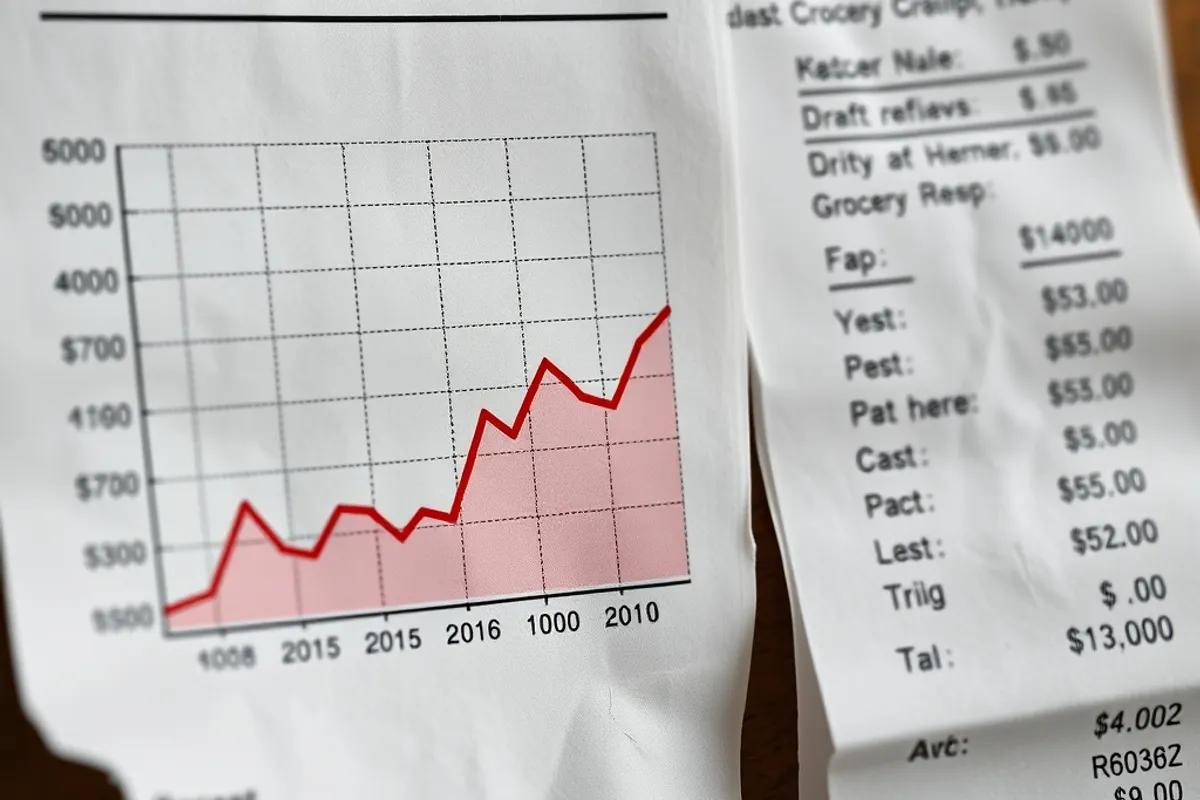
Average wage figures hide a wide distribution. Some sectors have seen real gains; others have not. Public-sector workers, care staff and small-business employees often lag behind the average, and those are exactly the groups most exposed to the costs that have risen fastest. The aggregate says recovery; the distribution says otherwise.
Averages describe a country. Budgets describe a life. The gap between them is where politics gets difficult.
The savings buffer is running out
Many households coped through the peak by drawing on savings built during the pandemic or by taking on debt. That buffer is finite. As it runs out, the experience of the same prices changes. A household that felt stretched but stable two years ago may now feel precarious, even if its income has not changed. The mood follows the buffer, not the inflation rate.

Why the mood matters for policy
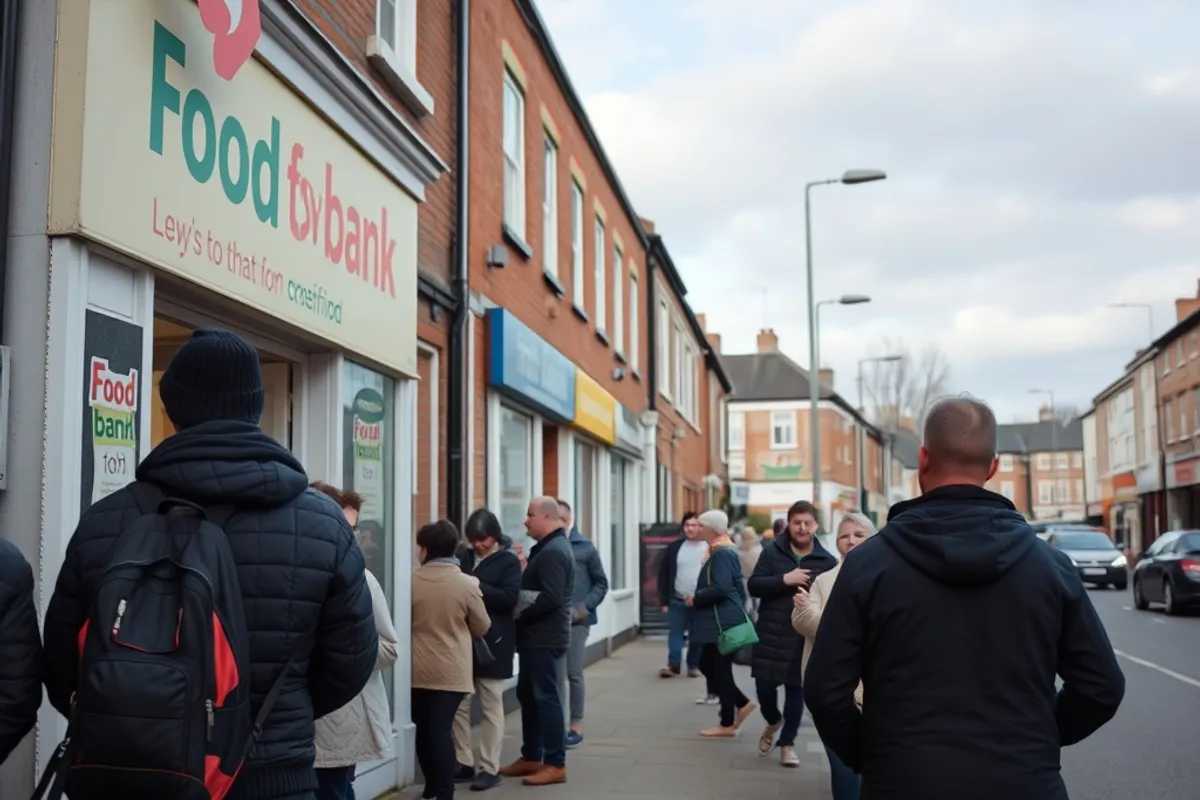
If policymakers read only the statistics, they risk announcing success while people are still hurting. That gap erodes trust and makes future communication harder. If they read only the mood, they risk missing genuine progress and overcorrecting. The useful approach is to track both, and to explain clearly which costs are easing and which are not.
What would actually change the mood
Three things would move the needle faster than a better inflation print: a fall in fixed housing costs, reliable childcare that allows people to work, and wages that keep pace in the sectors where they have not. None of these is quick. In the meantime, honesty about the gap is worth more than optimism that contradicts the receipts. For more, read our trust analysis and browse Public Insights. Household spending data is published by the national statistics office.
The short version: slower inflation is not cheaper living, fixed costs dominate the mood, savings buffers are thinning, and honest communication matters more than a good headline.
Frequently asked questions
If inflation is lower, why do prices still feel high?
Because inflation is a rate of change, not a level. Prices remain at the higher level, and households compare them with what they remember paying years earlier.
Which costs drive the mood most?
Housing, energy and childcare. They are fixed or near-fixed, so they absorb income before discretionary spending gets a chance.
What would close the mood gap?
Lower fixed housing costs, reliable childcare and wages that keep pace in lagging sectors. Until then, honest communication about the gap matters more than optimism.
Further reading from independent sources: Reuters and Associated Press.