What Food, Fuel and Rent Cost This Month
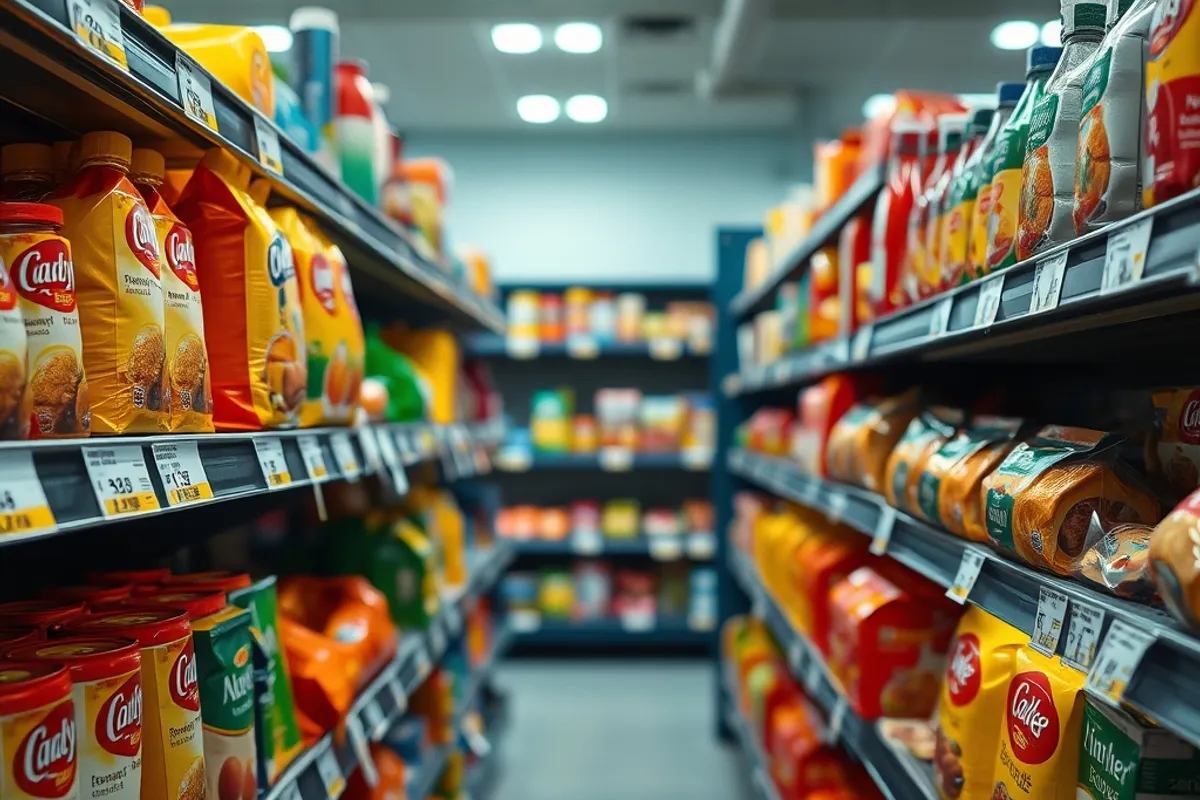
Prices do not move evenly, which is why a single inflation figure rarely matches what anyone feels at the till. This month's check separates the three costs households notice most: food, fuel and rent. The pattern is familiar but uneven. Staples are easing, processed goods are not, fuel is stable with sharp regional differences, and rent continues to climb fastest where supply is thinnest.
Key facts
- Staple groceries: broadly flat, with seasonal produce cheaper than last month.
- Processed and imported goods: still rising, though more slowly.
- Fuel: stable nationally, with large gaps between urban and rural stations.
- Rent: up again in tight markets; new supply is arriving unevenly.
- Energy bills: the fixed-charge portion matters as much as usage.
Food: cheaper at the edges, sticky in the middle
Fresh seasonal produce is the bright spot. Root vegetables, apples and cabbage are cheaper than they were in summer, and shoppers who plan meals around what is in season are seeing real savings. The middle of the supermarket is where bills stay stubborn: packaged snacks, ready meals and imported brands carry costs that do not fall as quickly as farm prices.
The practical response is not a dramatic lifestyle change. It is substitution: frozen vegetables instead of imported fresh, own-brand staples instead of branded equivalents, and fewer small top-up shops. Households that shop once a week with a list consistently spend less than those who shop three times without one.
Fuel: the map matters more than the headline
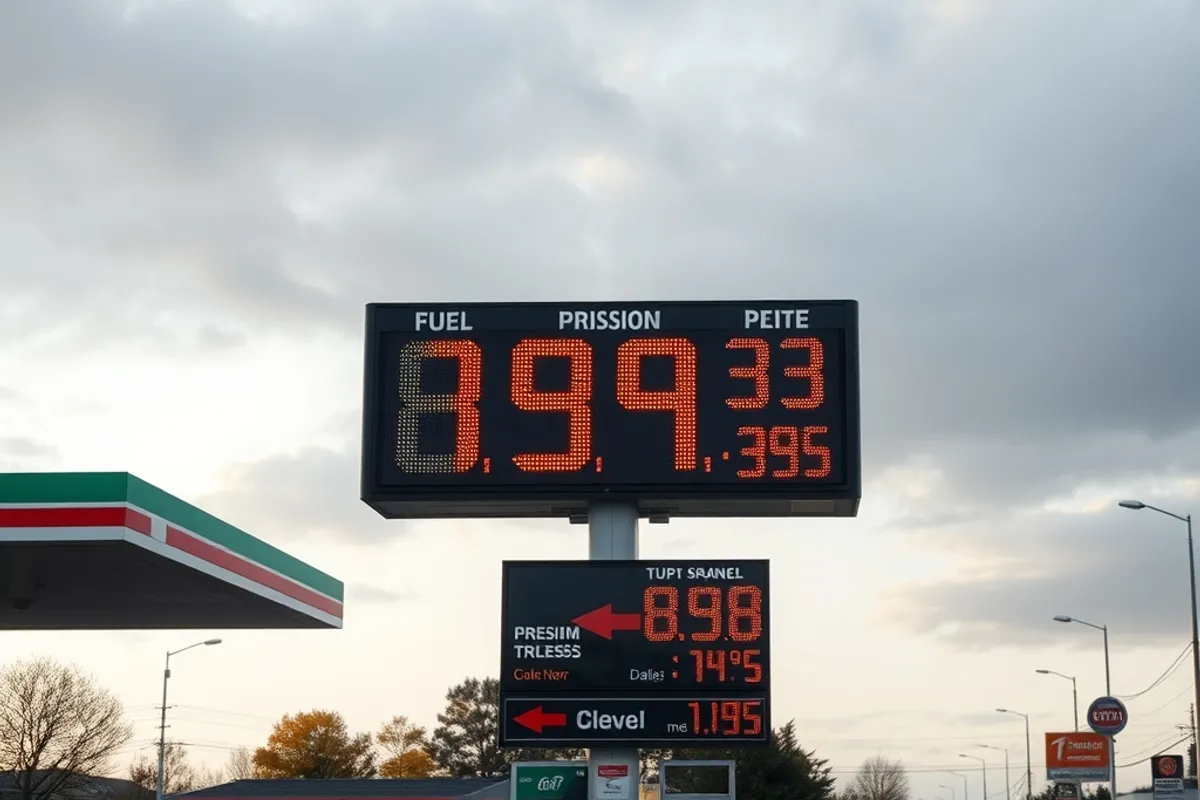
National averages hide a wide spread. Stations on motorways and in rural areas charge significantly more than supermarkets on the edge of town. For drivers who commute, the difference can outweigh a month of small savings elsewhere. Apps that compare local prices are imperfect but still useful, and filling up on the way home rather than in a hurry before work tends to produce better decisions.
Rent: supply is the whole story
Rents keep rising where new housing is slow to arrive and jobs are concentrated. The rate of increase has cooled in some cities, but cooling is not falling. For tenants, the leverage is limited, yet two things help: signing longer terms where the landlord values certainty, and documenting every repair request so that disputes do not become a reason for a rent increase at renewal.
The cost of living is not one number. It is a set of small, repeated decisions, and that is exactly where households still have power.
Energy and the charges you never chose
Usage gets the attention, but standing charges and tariffs often decide whether a low-usage month actually feels cheap. Compare the full annual estimate, not the unit rate. Households that switched at the wrong moment last year are sometimes paying more than neighbours who did nothing, which is a reminder that timing matters as much as shopping around.


What households are actually doing
The adjustments we hear about are modest and practical: fewer deliveries, more batch cooking, second-hand purchases for children's clothes, and a harder look at subscriptions. None of these fixes the underlying gap between wages and housing costs, but they buy breathing room. The households coping best are not the ones cutting the most; they are the ones who know their fixed costs precisely.
What to watch next month
Two things could shift the picture. A fall in shipping costs would eventually reach imported food, though slowly. A change in energy tariffs would reach bills faster, especially for households on variable rates. Until then, expect the same uneven pattern: relief at the edges, pressure in the middle. For context on why freight costs matter, read our shipping reroutes analysis, and see more Daily Updates. Official price data is published by the national statistics office.
The short version: buy seasonally, compare fuel locally, read the standing charge, and know your fixed costs before cutting anything else.
Frequently asked questions
Is inflation easing the same as prices falling?
No. Slower inflation means prices rise more slowly, not that they return to earlier levels. Households compare today with what they remember paying, which is why the squeeze still feels real.
Where can households save the most right now?
Usually at the edges: seasonal produce, own-brand staples, fewer top-up shops and fewer deliveries. Knowing your fixed costs precisely matters more than cutting small treats.
Why does rent keep rising when other costs cool?
Rent follows supply and local job demand. Where new housing is slow and jobs are concentrated, rents stay under pressure even as other prices ease.
Further reading from independent sources: Reuters and Associated Press.